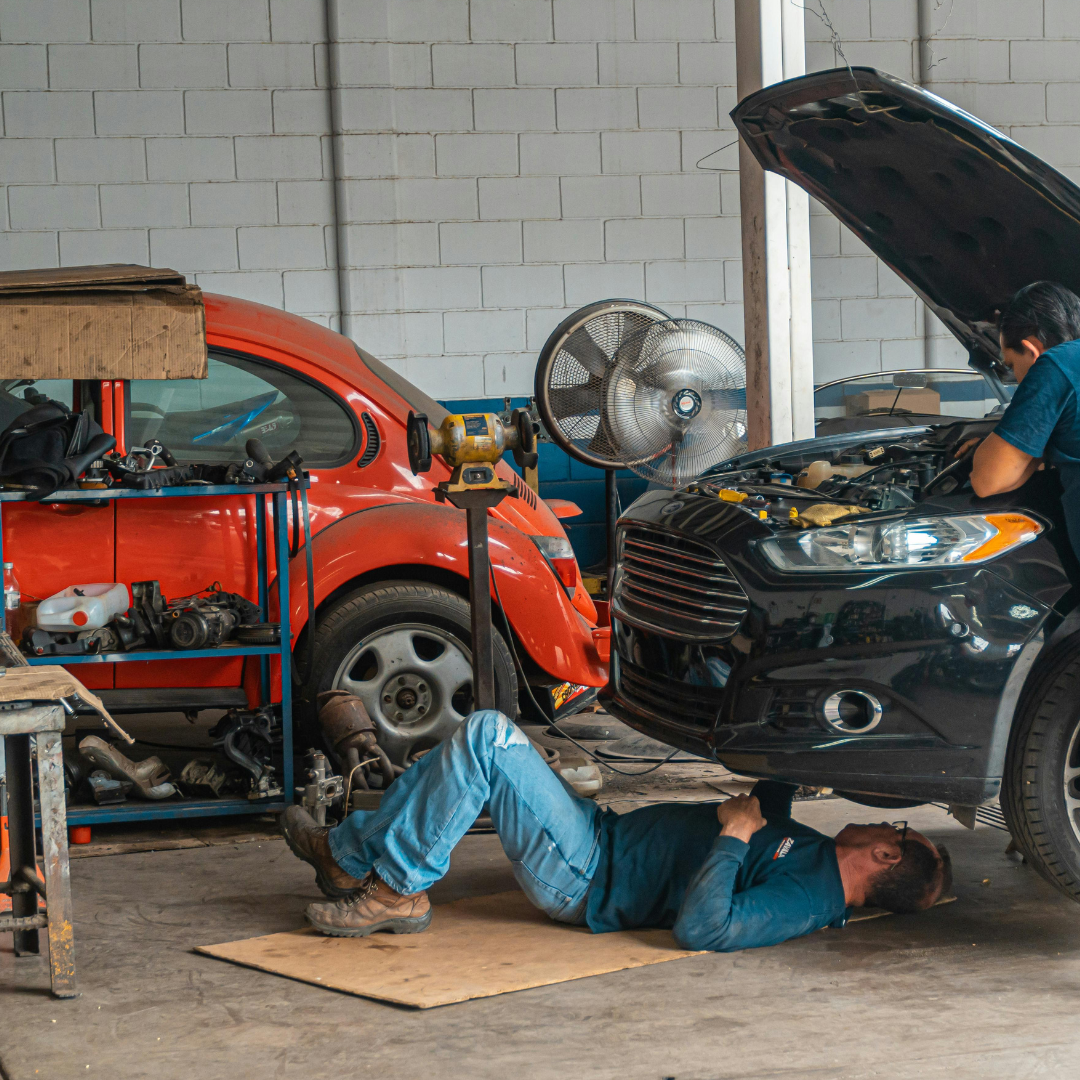
We see it every week at our Reservoir workshop. A car rolls in with a major problem that could have been prevented with a simple service. The owner thought they were saving money by skipping regular maintenance. Instead, they’re facing a repair bill ten times higher than what the service would have cost.
These aren’t theoretical situations. These are real examples from real customers who learned the expensive way that regular car servicing is an investment, not an expense.
The $200 Service That Became a $3,500 Engine Rebuild
Last month, a customer brought in their Volkswagen Golf with serious engine problems. The car was overheating, losing power, and making concerning noises. Our diagnostic scan revealed severe engine damage from coolant loss.
The cause? A split coolant hose that would have been spotted during a routine service. The hose itself costs about $45. During a regular service, we check all hoses, belts, and fluid levels. We would have caught this issue early and replaced the hose before it failed.
Instead, the engine overheated repeatedly. This warped the cylinder head, damaged the head gasket, and caused significant internal wear. The repair bill came to $3,500 for a full engine rebuild.
The service they skipped would have cost $195.
The Brake Pads That Destroyed the Rotors
A customer came in complaining about grinding noises when braking. They’d been hearing a slight squeal for months but kept putting off getting it checked. By the time they brought the car to us, the brake pads had worn completely through to the metal backing plates.
Metal on metal contact had deeply scored both front brake rotors. One rotor had cracked from the heat. The brake calipers had also seized from the excessive heat and debris.
What started as a simple brake pad replacement became a complete front brake overhaul. New pads, new rotors, new calipers, brake fluid flush, and labour came to $1,850.
If they’d addressed the issue when they first heard the squeal, it would have been a $380 brake pad replacement. The warning signs were there. They just chose to ignore them.
The Timing Belt That Wasn’t Changed on Schedule
European cars are precision machines that require specialist knowledge. We had a customer with an Audi A4 who’d skipped their scheduled 120,000 km timing belt replacement to save money. They made it to 138,000 km before the belt snapped while driving on the freeway.
When a timing belt fails on an interference engine, the results are catastrophic. The pistons hit the valves, causing severe internal damage. This particular Audi needed 16 bent valves replaced, new pistons, cylinder head work, and a complete timing system overhaul.
Total cost: $6,200.
The scheduled timing belt replacement at an European car specialist costs around $950 including the water pump and tensioners.
They saved $950 once. It cost them $6,200 to fix.
The Air Filter That Killed Fuel Economy
This one’s more subtle but equally expensive over time. A customer mentioned their fuel consumption had gradually increased over the past year. They were now spending an extra $40 per week on fuel compared to when the car was new.
We checked their service history. They hadn’t had their air filter changed in over 40,000 km. The filter was completely clogged with dirt and debris, choking the engine and forcing it to work harder.
A new air filter costs $45 and takes ten minutes to replace during a regular service. But over the 18 months they drove with the clogged filter, they spent approximately $3,000 in extra fuel costs.
The Oil Change Interval That Was “Extended Too Far”
Modern cars often have longer service intervals than older vehicles. Some manufacturers specify 15,000 km between oil changes. But that’s under ideal conditions with premium oil.
We had a customer who took “15,000 km intervals” to mean they could go 25,000 km if they wanted to save money. By the time they came in for an oil change, the oil had broken down completely. It was thick, black, and full of metal particles.
The lack of proper lubrication had caused premature wear throughout the engine. Camshaft lobes showed scoring. Piston rings were worn. Oil consumption had increased dramatically.
The engine didn’t fail immediately, but it now burns a litre of oil every 2,000 km and has significantly reduced power. The car that should have lasted 300,000 km will likely need a new engine before 200,000 km.
The oil change they skipped? $165.
The replacement engine they’ll eventually need? $8,500.
The Suspension Bushes That Wrecked the Tyres
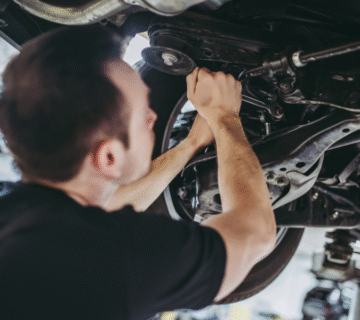
During routine servicing, we check suspension components including bushes, ball joints, and tie rod ends. A customer who’d skipped two years of services came in complaining about steering problems and rapid tyre wear.
Inspection revealed completely worn suspension bushes. The worn bushes allowed excessive movement, throwing the wheel alignment out constantly. This caused uneven tyre wear that destroyed a full set of tyres in just 15,000 km.
Four new tyres: $880 Wheel alignment: $120 New suspension bushes and fitting: $640 Total: $1,640
Regular servicing would have caught the worn bushes early. Replacement at that stage would have been $380 and saved the tyres.
The Clutch That Could Have Been Adjusted
Manual transmissions need periodic clutch adjustments to maintain proper engagement. We had a customer drive for two years with a slipping clutch because they didn’t want to spend money on a service where we would have noticed and adjusted it.
By the time they came in, the clutch was slipping badly. The friction material had worn down to nothing, and the flywheel had overheated and warped from the excessive slipping.
Full clutch replacement including pressure plate, disc, release bearing, and flywheel machining: $2,100.
A simple clutch adjustment during a service would have been included in the standard service fee of $195.
The Small Coolant Leak That Became a Big Problem
Coolant leaks often start small. A weeping water pump. A tiny crack in a radiator hose. A loose clamp. During regular servicing, we check the entire cooling system and top up coolant levels.
A customer ignored a small coolant leak for months, constantly topping up the reservoir themselves. Eventually, the leak got worse. The coolant level dropped while driving, the engine overheated, and the cylinder head gasket failed.
Cylinder head gasket replacement, head machining, and coolant system repairs: $2,400.
The water pump that was leaking? $320 including labour during a service.
The Pattern Is Clear
Look at the numbers:
Regular service cost: $195 – $320 Preventable major repairs: $1,640 – $8,500
Every single one of these customers thought they were saving money by skipping or delaying their service. Every single one ended up spending significantly more fixing the problems that developed as a result.
What Regular Servicing Actually Catches
When you bring your car in for a proper service, we’re not just changing the oil. We’re conducting a comprehensive health check that identifies problems before they become failures.
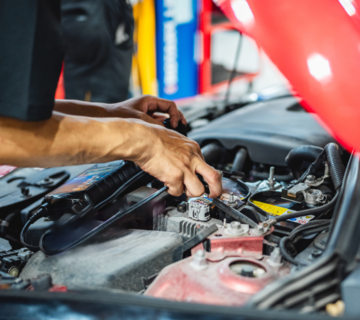
We check fluid levels and condition, inspect belts and hoses for cracks or wear, examine brake pads and measure rotor thickness, test battery health and electrical systems, check tyre tread depth and pressure, inspect suspension components for wear, look for leaks in engine, transmission, and cooling systems, verify all lights and safety systems work correctly, and assess overall vehicle condition and upcoming maintenance needs.
This systematic inspection is what catches the small issues before they cascade into expensive failures.
The Real Cost of Skipping Services
When you skip a service, you’re not just saving the service fee. You’re gambling that nothing will go wrong. And the odds are not in your favour.
Modern cars have thousands of components that wear over time. Belts crack. Hoses split. Fluids break down. Parts wear out. These are certainties, not possibilities.
Regular servicing manages this wear. It identifies components approaching the end of their service life and replaces them before they fail. It maintains fluids at the correct levels and condition. It keeps your car running the way it was designed to run.
When you skip services, you lose this oversight. Problems develop silently. Small issues grow into big ones. And by the time symptoms appear, the damage is often already done.
Melbourne Driving Makes It Worse
Melbourne’s driving conditions are particularly hard on vehicles. Stop-start traffic. Short trips that don’t let the engine reach full operating temperature. Potholed roads that stress suspension components. Weather that swings from hot summers to cold winters.
These conditions accelerate wear and make regular servicing even more important. The car that might go 15,000 km between services in ideal conditions probably needs servicing at 10,000 km in Melbourne traffic.
What Should You Actually Do
Follow your manufacturer’s service schedule. If you drive in heavy traffic, short trips, or harsh conditions, consider servicing more frequently than the maximum interval.
When warning lights appear or you notice changes in how your car drives, get it checked immediately. These are your car telling you something is wrong. Ignoring them never makes the problem go away.
Choose a workshop that does thorough inspections and provides honest advice about what needs attention now versus what can wait. Not every issue needs immediate action, but you need to know what’s developing so you can plan and budget accordingly.
Keep records of all services and repairs. This helps identify patterns, ensures nothing gets missed, and adds value if you sell the car.
Every example in this article is real. These are actual customers who came through our Reservoir workshop thinking they’d saved money by skipping services. Instead, they learned the expensive lesson that preventive maintenance is always cheaper than breakdown repairs.
A $195 service every 10,000 km costs you $1,950 over 100,000 km. But it prevents the $3,000 engine repair, the $2,000 brake overhaul, the $6,000 timing belt failure, and the countless other expensive problems that develop when cars aren’t maintained.
Your car doesn’t care whether you can afford to fix it. It will break down according to the laws of physics and wear. The only question is whether you manage that wear through regular servicing, or let it manage you through unexpected breakdowns.
The choice is yours. But after seeing hundreds of these cases, we can tell you with certainty which choice costs less.
Need to book your service? Contact us at our Reservoir workshop. We’ll keep your car running reliably and save you from becoming another cautionary tale.


No comment