
Why European Vehicles Need Brand Specific Knowledge
European manufacturers design their vehicles with advanced engineering, sophisticated electronics and precise servicing requirements. While many maintenance tasks may appear similar to those performed on other vehicles, the procedures, specifications and diagnostic processes often differ significantly.
For example, BMW, Audi and Mercedes-Benz use manufacturer specific systems that require specialist diagnostic equipment and technical knowledge. From electronic service resets to transmission programming and advanced driver assistance systems, servicing these vehicles correctly involves more than simply replacing parts.
Choosing a workshop with experience in European vehicles helps ensure maintenance is completed according to manufacturer recommendations, preserving both performance and reliability.
Genuine, OEM and Aftermarket Parts Explained
When servicing a European vehicle, the quality of replacement parts can make a significant difference to reliability and longevity.
You’ll often come across three common types of parts:
Genuine Parts
These are supplied by the vehicle manufacturer and are identical to those fitted when the car was built.
OEM Parts
Original Equipment Manufacturer (OEM) parts are produced by the same companies that manufacture components for the vehicle brand but may be sold without the manufacturer’s branding. They often provide the same quality at a more competitive price.
Aftermarket Parts
Aftermarket parts are manufactured by third party companies. While many are of excellent quality, others may not meet the same standards as genuine or OEM components. Choosing quality replacement parts is particularly important for suspension, braking, cooling and engine components in European vehicles.
An experienced European vehicle specialist can recommend the most suitable option based on your vehicle, budget and long term ownership goals.
Common Maintenance Items for European Vehicles
Regular servicing helps prevent costly repairs and keeps your vehicle performing as intended.
Some of the most common maintenance items include:
- Engine oil and filter replacement
- Brake fluid replacement
- Cooling system inspections
- Battery testing
- Suspension component inspections
- Automatic transmission servicing
- Timing belt or timing chain inspections where applicable
- Air and cabin filter replacement
- Electronic system diagnostics
Following the correct service intervals helps reduce wear on major components and allows developing issues to be identified before they become expensive repairs.
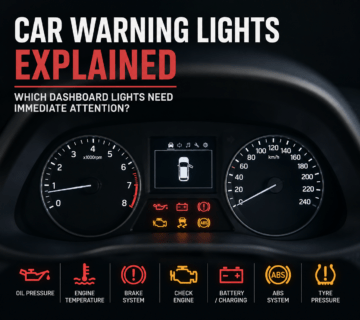
Don’t Ignore Dashboard Warning Lights
Modern European vehicles are equipped with sophisticated onboard monitoring systems that detect faults long before they become obvious to the driver.
Warning lights relating to the engine, brakes, ABS, battery or emissions should never be ignored. While some issues may be relatively minor, others can quickly develop into more serious mechanical problems if left unresolved.
Using professional diagnostic equipment allows technicians to identify the cause accurately rather than relying on guesswork or simply clearing the fault code.
If you’re experiencing warning lights or performance concerns, our Auto Electrical Repairs and diagnostic services can help identify the problem quickly and accurately.
Protect Your Investment with Regular Servicing
European vehicles are designed to deliver exceptional comfort, safety and driving performance, but they also benefit from consistent maintenance.
At Automotive Instincts, we provide professional servicing tailored to your vehicle’s requirements. Whether you own a BMW, Audi, Mercedes-Benz or another European make, our experienced technicians can assist with routine maintenance, diagnostics and mechanical repairs.
Our workshop also provides:
Routine servicing helps maintain reliability, supports resale value and allows you to enjoy the driving experience your European vehicle was designed to deliver.
Frequently Asked Questions
Can an independent workshop service my BMW, Audi or Mercedes-Benz?
Yes. An experienced independent workshop with the correct diagnostic equipment and expertise can carry out servicing and repairs in accordance with manufacturer specifications.
Are European cars more expensive to maintain?
Some servicing and replacement parts can cost more than those for many other vehicles due to the advanced engineering and specialised components used. However, regular maintenance often prevents much more expensive repairs later.
How often should I service my European vehicle?
Always follow the manufacturer’s recommended service intervals. Depending on the vehicle and driving conditions, servicing is typically required every 10,000 to 15,000 kilometres or every 12 months.
Why is specialist diagnostic equipment important?
European vehicles use manufacturer specific software and electronic systems. Professional diagnostic tools provide access to detailed fault information, live data and service functions that generic scanners cannot, resulting in more accurate fault diagnosis and repairs.




No comment