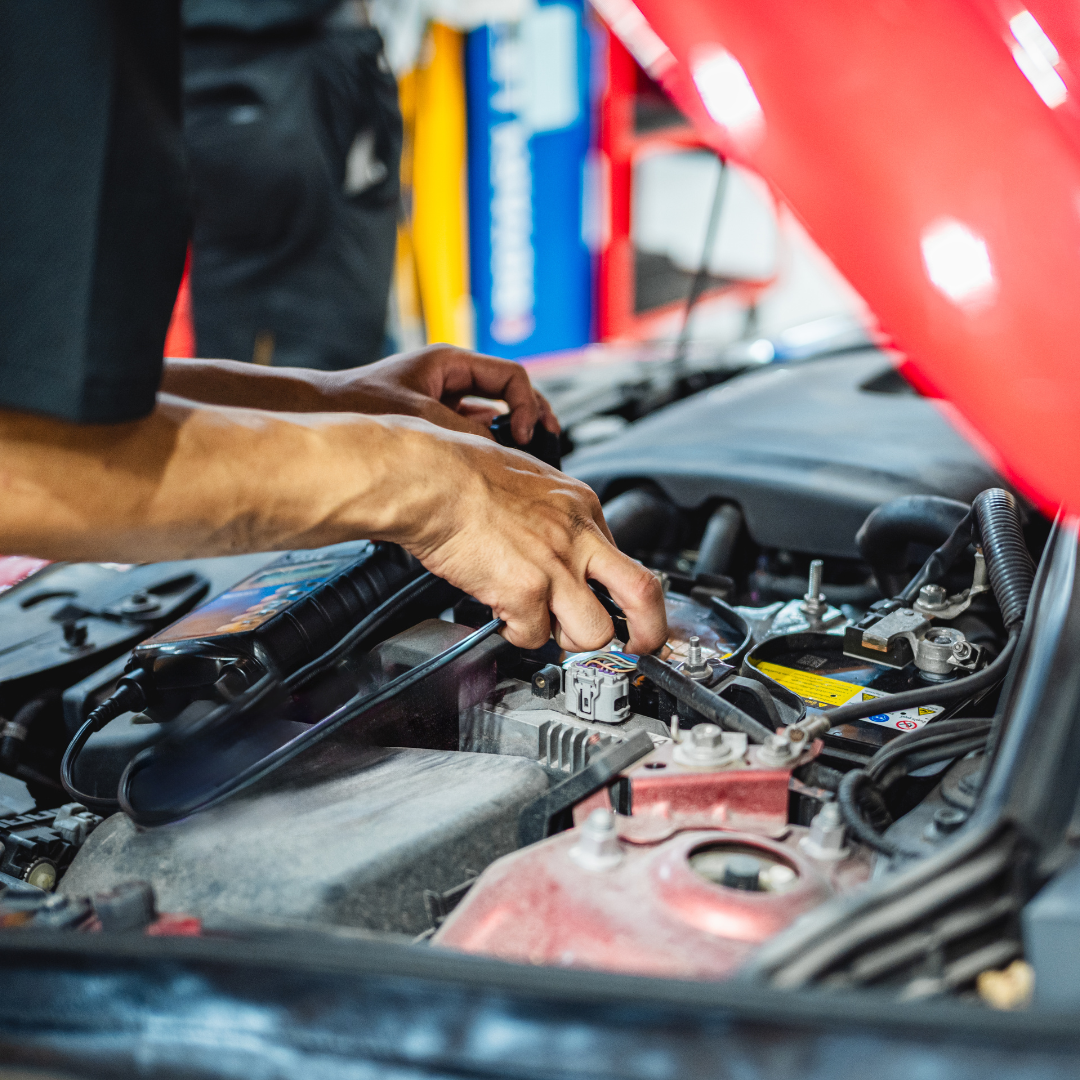
Many vehicle owners are surprised to learn that a $50 OBD scanner often provides only a small part of the diagnostic picture. While these devices are useful for reading generic engine fault codes and clearing warning lights, they cannot access many of the systems found in modern vehicles.
Professional diagnostic equipment communicates with multiple control modules throughout the vehicle, allowing technicians to investigate faults affecting much more than just the engine.
Depending on the make and model, professional diagnostics can access systems such as:
- Engine management
- Automatic transmission
- ABS braking systems
- Airbag and SRS modules
- Electronic stability control
- Steering angle sensors
- Climate control systems
- Body control modules
- Parking sensors and reversing cameras
- Battery management systems
- Diesel particulate filter (DPF) systems
- Hybrid and electric vehicle monitoring systems
This deeper level of access allows technicians to identify faults that basic consumer scanners simply cannot detect.
Why Fault Codes Don’t Always Identify the Real Problem
One of the biggest misconceptions about vehicle diagnostics is that the fault code tells you exactly which part needs replacing.
In reality, fault codes simply indicate that the vehicle has detected an abnormal reading or operating condition. The code is a starting point for diagnosis, not the final answer.
For example, an engine fault code relating to a misfire could be caused by:
- Worn spark plugs
- Faulty ignition coils
- Low fuel pressure
- Injector problems
- Vacuum leaks
- Compression issues
- Wiring faults
- Sensor failures
Replacing the first component mentioned online may not solve the problem and can quickly become an expensive exercise in trial and error.
Professional technicians use live data, electrical testing and manufacturer diagnostic procedures to determine the actual cause before recommending any repairs.
The Importance of Live Data Analysis
Modern vehicles constantly monitor hundreds of operating values while driving. These readings, known as live data, provide valuable information that isn’t available from a simple fault code.
During a professional diagnostic inspection, technicians can monitor:
- Engine temperature
- Fuel trims
- Oxygen sensor performance
- Airflow readings
- Battery voltage
- Charging system output
- Turbo boost pressure
- Transmission operation
- Injector performance
- Sensor voltages
By analysing this information in real time, it’s often possible to identify developing issues before they become major mechanical failures.
Common Problems That Require Professional Diagnostics
Some vehicle faults only occur under certain driving conditions, making them difficult to diagnose without specialist equipment.
Professional diagnostics are particularly valuable for problems such as:
Intermittent Check Engine Light
If the warning light comes and goes, the vehicle may only store temporary fault information that requires advanced equipment to interpret correctly.
Poor Fuel Economy
Increased fuel consumption may be caused by sensor faults, injector issues, engine management problems or incorrect air and fuel mixtures.
Rough Idle or Loss of Power
Poor performance isn’t always caused by one faulty component. Multiple systems often work together, requiring detailed testing to identify the root cause.
Electrical Problems
Modern vehicles contain dozens of electronic control modules. Issues involving lighting, power windows, central locking, battery drain or starting problems often require specialist diagnostic procedures.
Transmission Concerns
Delayed gear changes, harsh shifting or transmission warning lights generally require manufacturer level diagnostics rather than a basic code reader.
Why Clearing Fault Codes Isn’t a Repair
Many DIY scan tools allow users to erase warning lights after reading the fault codes. While this may temporarily remove the warning light, it doesn’t repair the underlying issue.
If the original fault remains, the warning light will usually return after a short period of driving.
Repeatedly clearing warning lights without diagnosing the cause may also delay necessary repairs, potentially leading to increased wear, reduced fuel efficiency or more expensive damage.
The safest approach is to identify why the fault occurred before attempting to reset the system.
Prevent Problems with Regular Vehicle Servicing
Many warning lights and diagnostic faults can be avoided through regular maintenance. Routine servicing allows technicians to inspect critical components before they fail and identify early signs of wear.
At Automotive Instincts, diagnostics often form part of a broader vehicle health assessment. If we identify additional maintenance requirements, we can also assist with:
- Logbook Service
- Auto Electrical Repairs
- General Car Repairs
- Brake Replacement
- Diesel Service and Repair
Keeping up with scheduled servicing not only improves reliability but can also reduce the likelihood of unexpected warning lights and costly repairs.
Frequently Asked Questions
Can a cheap OBD scanner damage my car?
No. Reading fault codes with a reputable OBD scanner is generally safe. Problems usually arise when users replace parts based solely on fault codes or repeatedly clear warning lights without diagnosing the underlying issue.
Is it worth buying an OBD scanner?
For basic monitoring, yes. An entry level scanner can help identify generic engine codes and confirm when a warning light is present. However, it should be viewed as a helpful tool rather than a complete diagnostic solution.
Why does my check engine light keep coming back after I clear it?
If the underlying fault hasn’t been repaired, the vehicle’s computer will detect the issue again and reactivate the warning light. Clearing the code removes the symptom, not the cause.
How long does a professional diagnostic inspection take?
Most diagnostic inspections take between 30 and 90 minutes, depending on the complexity of the fault. Intermittent or electrical issues may require additional testing to accurately identify the cause.
Can diagnostics identify problems before my car breaks down?
Yes. Professional diagnostics can often detect sensor irregularities, charging issues, fuel system problems and other developing faults before they lead to a breakdown. Early diagnosis allows repairs to be carried out before more extensive damage occurs.




No comment