Getting a Roadworthy Certificate can feel a little stressful, especially if it is your first time organising one. Whether you are selling a car, transferring ownership, re-registering a vehicle or clearing a defect notice, your vehicle needs to meet the minimum safety standards required for Victorian roads.
The good news is that many roadworthy issues are easy to spot before your inspection. By checking the right areas early, you can reduce the chance of delays, avoid unnecessary surprises and give your vehicle the best chance of passing the first time.
This roadworthy certificate checklist explains what is usually inspected, what problems commonly cause vehicles to fail, and how to prepare your car before booking an inspection.
If you need a licensed inspection, Automotive Instincts provides professional Roadworthy Certificate inspections in Reservoir for local drivers.
What Is a Roadworthy Certificate?
A Roadworthy Certificate, often called an RWC, confirms that a vehicle meets basic safety requirements for use on Victorian roads. It is not the same as a complete mechanical health check. Instead, it focuses on key safety-related components such as brakes, tyres, steering, suspension, lights, seatbelts, windscreen condition and structural safety.
You may need a Roadworthy Certificate when:
- Selling a registered vehicle
- Transferring vehicle ownership
- Re-registering a vehicle
- Clearing certain defect notices
- Preparing a vehicle for registration requirements
Because the inspection is safety-focused, a vehicle can still have cosmetic wear or minor comfort issues and pass, provided the required safety items meet the standard. However, faults such as worn tyres, faulty brakes, damaged seatbelts or warning lights can create problems during inspection.
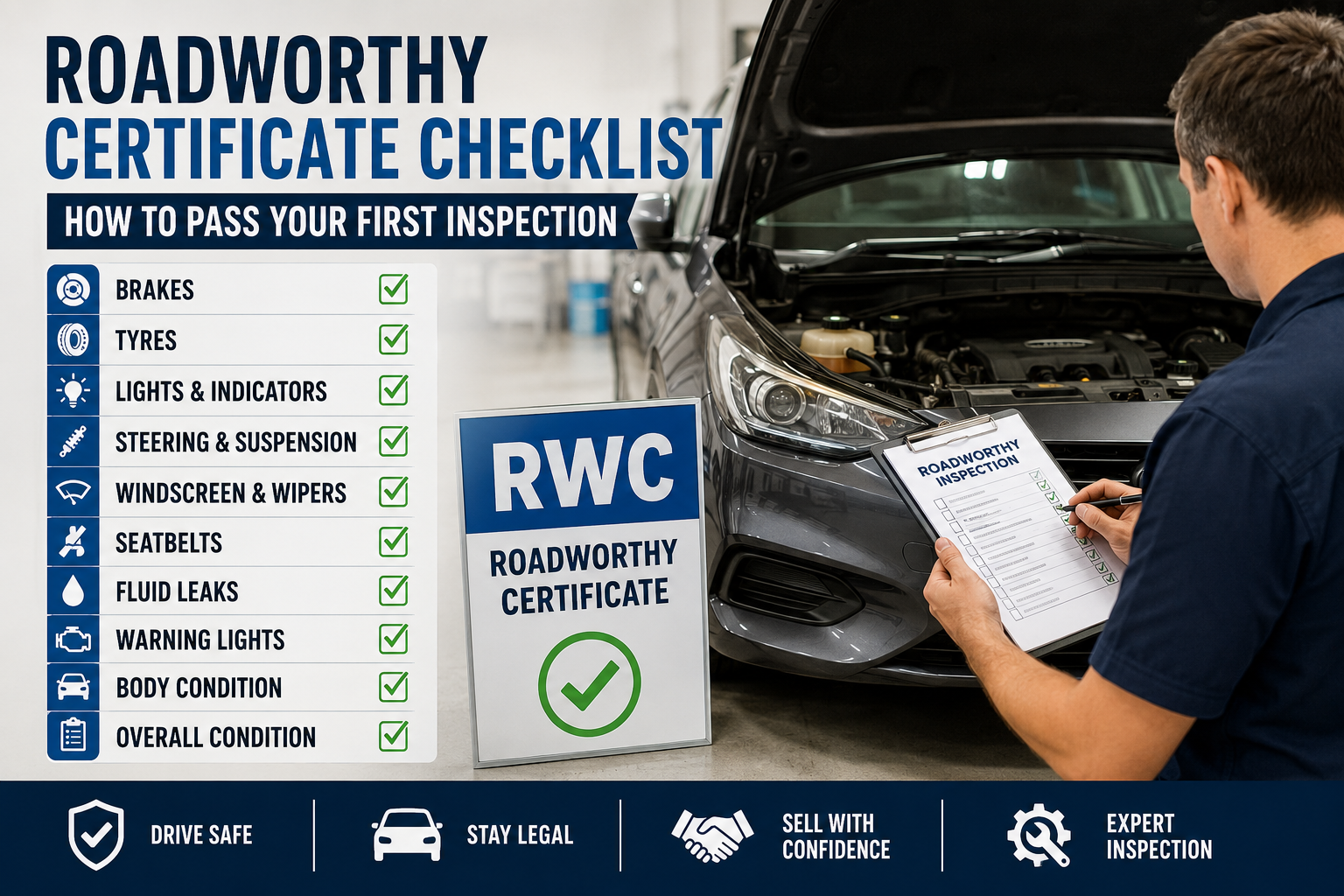
Roadworthy Certificate Checklist Before Your Inspection
Before booking your RWC inspection, it is worth checking the following areas. You do not need to be a mechanic to notice many of these warning signs.
1. Check Your Brakes
Your braking system is one of the most important parts of a roadworthy inspection. If your brakes are worn, noisy or not performing properly, your vehicle may not pass.
Before your inspection, look out for:
- Squealing or grinding noises
- Brake warning lights
- Vibration through the brake pedal
- Soft or spongy brake pedal feel
- Vehicle pulling to one side when braking
- Longer stopping distance
- Visible brake fluid leaks
If your brakes do not feel right, it is better to have them inspected before your RWC appointment. Worn pads, damaged rotors or brake fluid issues can affect vehicle safety and should be addressed quickly. Automotive Instincts can assist with brake replacement in Reservoir if your braking system needs attention before inspection.
2. Inspect Your Tyres
Tyres are another common reason vehicles fail roadworthy inspections. Your tyres are the only part of your vehicle in direct contact with the road, so they must be in safe condition.
Check each tyre for:
- Low tread depth
- Uneven tyre wear
- Cracks in the sidewall
- Bulges or visible damage
- Exposed cords
- Incorrect tyre size or mismatched tyres
- Poor tyre pressure
Uneven wear can also suggest alignment or suspension issues. For example, if one side of the tyre is wearing faster than the other, your wheels may not be aligned correctly. Booking a tyres and wheel alignment service before your inspection can help improve handling, safety and tyre life.
3. Test All Lights and Indicators
Faulty lights are easy to overlook but can quickly lead to a failed inspection. Ask someone to help you check all exterior lights while you operate them from inside the car.
Make sure the following are working:
- Headlights
- High beams
- Brake lights
- Tail lights
- Reverse lights
- Indicators
- Hazard lights
- Number plate lights
Also check for cracked lenses, moisture inside light housings or lights that are dimmer than usual. Replacing a blown globe before inspection is a simple way to avoid unnecessary delays.
4. Look at the Windscreen and Wipers
Visibility is an important part of vehicle safety. A damaged windscreen, worn wipers or faulty washers can affect your ability to see clearly in poor weather.
Before inspection, check:
- Windscreen chips or cracks
- Damage in the driver’s line of sight
- Wiper blades leaving streaks
- Washer jets not spraying properly
- Empty washer bottle
- Loose or damaged mirrors
Wiper blades are inexpensive to replace and can make a big difference. If your windscreen has large cracks or serious damage, it should be assessed before your roadworthy inspection.
5. Check Seatbelts
Seatbelts are a critical safety item and will be inspected carefully.
Look for:
- Frayed seatbelt webbing
- Cuts or tears
- Seatbelts that do not retract properly
- Buckles that do not latch securely
- Twisted or jammed belts
- Damaged anchor points
Every seatbelt in the vehicle should operate correctly, even if that seat is rarely used. A faulty seatbelt can prevent a vehicle from passing an RWC inspection.
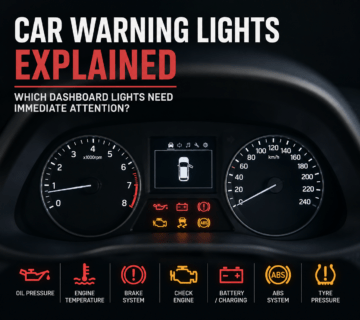
6. Watch for Dashboard Warning Lights
Modern vehicles use warning lights to alert you to problems with important systems. If a warning light stays on after the vehicle has started, it should be checked before your inspection.
Common warning lights include:
- ABS light
- Airbag light
- Engine warning light
- Brake warning light
- Battery warning light
- Stability control warning light
Some warning lights may be caused by simple sensor issues, while others can indicate more serious faults. If your dashboard is showing warning lights, Automotive Instincts can diagnose the problem through auto electrical repairs in Reservoir.
7. Check Steering and Suspension
Your steering and suspension systems help keep the vehicle stable, predictable and safe on the road. During a roadworthy inspection, worn or damaged steering and suspension components may be flagged.
Warning signs include:
- Vehicle pulling to one side
- Clunking or knocking over bumps
- Excessive bouncing
- Loose steering feel
- Vibration through the steering wheel
- Uneven tyre wear
- Poor cornering stability
If your vehicle feels unstable or does not steer properly, it should be inspected before your RWC appointment. These issues may be related to suspension wear, steering components, tyre condition or alignment.
8. Look for Fluid Leaks
Some minor residue may not always be a major concern, but active leaks can cause problems during a roadworthy inspection.
Check under your vehicle for:
- Engine oil leaks
- Coolant leaks
- Brake fluid leaks
- Power steering fluid leaks
- Transmission fluid leaks
- Fuel leaks
Brake fluid and fuel leaks are particularly serious because they directly affect safety. If you notice fluid patches under your car, a professional inspection is recommended. For broader mechanical concerns, Automotive Instincts provides general car repairs in Reservoir to help identify and repair faults before they become bigger issues.
9. Inspect the Vehicle Body and Structure
A roadworthy inspection is not focused on cosmetic appearance, but vehicle structure and safety-related body condition matter.
Check for:
- Sharp edges
- Loose panels
- Rust in structural areas
- Doors that do not open or close properly
- Bonnet or boot latch issues
- Damaged bumpers
- Broken mirrors
Minor dents or scratches are usually not the main concern. The bigger issue is whether body damage affects safety, visibility or the structural integrity of the vehicle.
10. Keep Up With Regular Servicing
One of the best ways to prepare for a Roadworthy Certificate is to keep your vehicle properly maintained throughout the year. Regular servicing helps identify worn components before they become inspection problems.
A scheduled logbook service in Reservoir can help keep your vehicle reliable, safe and better prepared for future inspections. It also supports long-term vehicle performance and may help reduce unexpected repair costs.
If your vehicle is older, has not been serviced recently or has been sitting unused for a while, it is a good idea to book a mechanical inspection before organising an RWC.
Common Reasons Vehicles Fail a Roadworthy Inspection
Many vehicles fail their first inspection because of small issues that could have been fixed beforehand.
Common reasons include:
- Worn brake pads
- Damaged tyres
- Faulty lights
- Cracked windscreen
- Worn wiper blades
- Oil or coolant leaks
- Loose steering components
- Suspension wear
- Seatbelt damage
- Dashboard warning lights
- Excessive exhaust smoke
- Rust or structural damage
If you are unsure whether your car is ready, booking a pre-inspection check can save time and help you understand what needs attention.
How to Improve Your Chances of Passing First Time
Before your inspection, take a practical approach. Walk around the vehicle and check the obvious items first.
A few simple steps can help:
- Test every light
- Check tyre tread and pressure
- Replace worn wiper blades
- Top up washer fluid
- Clean the windscreen
- Check for visible leaks
- Listen for unusual brake or suspension noises
- Make sure seatbelts operate correctly
- Address warning lights early
- Keep your service history organised
You do not need to make your vehicle look brand new. The goal is to make sure it is safe, functional and compliant with road safety requirements.
Should You Repair Issues Before the Inspection?
If you already know something is wrong, it is usually better to repair it before your roadworthy inspection. For example, if your brakes are grinding, tyres are worn or warning lights are showing, those problems are unlikely to disappear on their own.
However, if you are unsure, a licensed tester can inspect the vehicle and let you know what needs to be addressed. If repairs are required, Automotive Instincts can help with many related services, including clutch replacement, diesel service and repair, European car service and airconditioning servicing and repair.
Why Choose Automotive Instincts for Your Roadworthy Certificate?
Automotive Instincts provides roadworthy inspections and vehicle repairs for drivers in Reservoir and surrounding areas. The team understands that many customers need an RWC for a sale, transfer or registration process, so the focus is on clear advice, practical recommendations and quality workmanship.
When you book with Automotive Instincts, you can expect:
- Licensed Roadworthy Certificate inspections
- Honest advice
- Clear explanations
- Repair services if required
- Support for a wide range of makes and models
- Local Reservoir workshop convenience
If your vehicle needs repairs before it can pass, the team can explain what is required and help you organise the next steps.
Final Thoughts
Passing a Roadworthy Certificate inspection is much easier when you know what to expect. By checking your brakes, tyres, lights, windscreen, wipers, seatbelts, steering, suspension and warning lights beforehand, you can avoid many common problems that cause delays.
A roadworthy inspection is designed to confirm that your vehicle meets minimum safety standards, not to judge cosmetic condition. Focus on safety, function and reliability, and you will be much better prepared for your first inspection.
If you need a trusted local workshop, book your Roadworthy Certificate inspection in Reservoir with Automotive Instincts today.


No comment