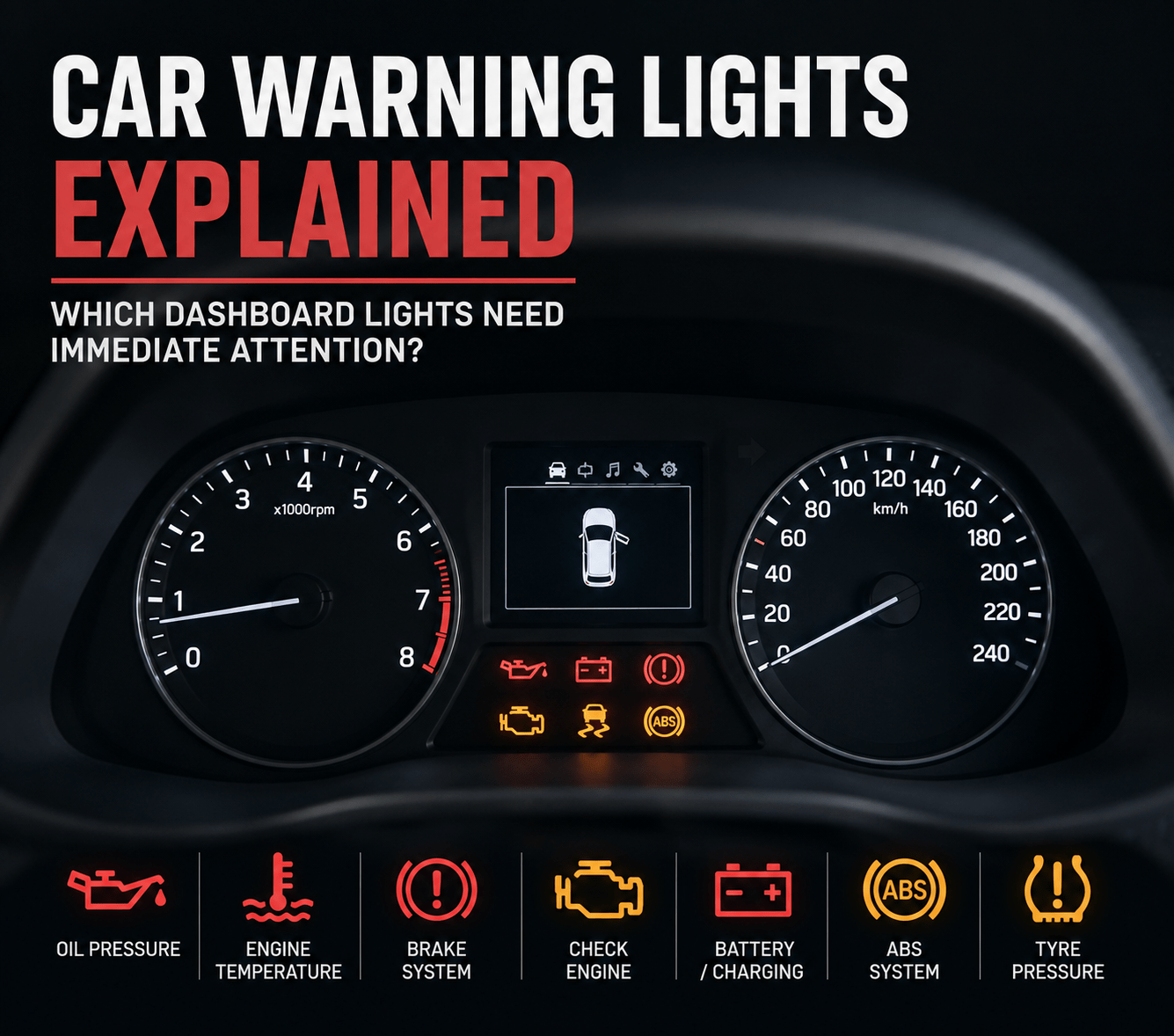
Modern vehicles are designed to alert you when something is not operating as it should. From low tyre pressure to engine or braking problems, dashboard warning lights can provide an early indication that your vehicle needs attention.
The difficulty is knowing which warning lights can wait until your next service and which ones mean you should stop driving.
Ignoring the wrong warning light can turn a relatively straightforward repair into a much more expensive problem. More importantly, some warnings relate directly to vehicle safety and should never be ignored.
At Automotive Instincts in Reservoir, we regularly diagnose vehicles after dashboard warning lights appear. Understanding what the most common warning lights mean can help you make a better decision about whether to keep driving, arrange an inspection or stop the vehicle immediately.
What Do the Different Dashboard Warning Light Colours Mean?
Although symbols vary between vehicle manufacturers, dashboard warning lights generally use colours to indicate how urgently the vehicle needs attention.
Red Warning Lights
A red warning light usually indicates a serious problem or something requiring immediate attention.
Depending on the warning, you may need to stop the vehicle as soon as it is safe to do so. Examples include low engine oil pressure, overheating and certain braking system warnings.
Amber or Yellow Warning Lights
Amber or yellow usually indicates that the vehicle has detected a problem that needs investigation.
You may still be able to drive the vehicle, depending on the fault and how the vehicle is behaving, but the warning should not simply be ignored.
The check engine light, ABS warning and tyre pressure monitoring warning are common examples.
Green or Blue Dashboard Lights
Green and blue lights are generally informational rather than warnings. They may indicate that headlights, cruise control or another vehicle function is operating.
The colour system is a useful general guide, but you should always refer to your vehicle owner’s manual because symbols and meanings can differ between makes and models.
1. Engine Oil Pressure Warning Light
The oil pressure warning is one of the dashboard lights that should be taken very seriously.
It usually looks like a small oil can and may illuminate if the engine is not receiving adequate oil pressure.
Low oil pressure can be caused by several problems, including:
- Low engine oil level
- An oil leak
- Oil pump problems
- A blocked oil filter or oil passage
- An oil pressure sensor fault
- Internal engine problems
Engine oil creates a protective film between moving components. Without adequate lubrication, internal engine components can suffer significant damage very quickly.
What should you do?
If the red oil pressure warning appears while driving, find a safe place to stop and switch the engine off.
Check the oil level if you know how to do so safely, but don’t assume that adding oil will necessarily solve the problem. The oil level can be correct while the engine still has inadequate oil pressure.
If the warning remains illuminated, the vehicle should be professionally inspected before being driven further.
2. Engine Temperature Warning Light
An engine temperature warning indicates that the engine may be overheating.
Some vehicles display a red thermometer symbol, while others use a temperature gauge or dashboard message.
Common causes of overheating can include:
- Low coolant
- Coolant leaks
- Radiator problems
- Cooling fan failure
- Thermostat problems
- Water pump failure
- Cooling system blockages
Continuing to drive an overheating vehicle can cause serious engine damage.
What should you do?
Safely pull over and switch off the engine.
Do not immediately remove the radiator cap or open a pressurised cooling system when the engine is hot. Hot coolant and steam can cause serious burns.
Once the vehicle has cooled, it should be inspected to determine why it overheated.
If you’ve noticed coolant loss, fluctuating temperatures or overheating problems, our General Car Repairs service can help identify the underlying issue.
3. Brake System Warning Light
The brake warning symbol is another light that deserves immediate attention.
It can sometimes illuminate simply because the parking brake is engaged. However, if the parking brake is fully released and the warning remains illuminated, there may be a problem with the braking system.
Possible causes include:
- Low brake fluid
- Worn braking components
- Hydraulic system problems
- Brake fluid leaks
- Sensor or electrical faults
If the brake pedal feels unusually soft, the vehicle pulls while braking, braking performance has deteriorated or you hear grinding noises, don’t ignore these symptoms.
Because braking is fundamental to vehicle safety, suspected brake problems should be assessed promptly.
Automotive Instincts provides Brake Replacement and brake inspections in Reservoir when your braking system needs professional attention.
4. Check Engine Light
The check engine light is probably one of the most recognised and misunderstood dashboard warnings.
It can appear for many different reasons, ranging from relatively minor sensor issues to more significant engine or emissions related problems.
Possible causes include:
- Faulty engine sensors
- Ignition system problems
- Fuel delivery problems
- Misfires
- Air intake issues
- Emissions system faults
- Electrical problems
The way the light behaves can provide an important clue.
A steady check engine light
A continuously illuminated check engine light generally means the engine management system has detected a fault.
If the vehicle is otherwise running normally, you may be able to drive it carefully to have the problem diagnosed. However, you shouldn’t leave the warning unresolved indefinitely.
A flashing check engine light
A flashing check engine light can indicate a more serious problem, such as a significant engine misfire.
Continuing to drive may cause further damage, including damage to emissions components.
If the light is flashing and the vehicle is shaking, losing power or running poorly, stop driving when safe and seek professional advice.
Simply reading or clearing a fault code isn’t always enough to identify the actual cause. Professional diagnosis can involve fault codes, live vehicle data, electrical testing and physical inspection.
You can read more about this in our guide to DIY vs Professional Car Diagnostics.
5. Battery or Charging System Warning
The red battery symbol doesn’t necessarily mean that the battery itself needs replacing.
It usually indicates a problem within the vehicle’s charging system.
Potential causes include:
- Alternator failure
- Battery problems
- Loose or damaged electrical connections
- Charging circuit faults
- Drive belt problems
If the alternator isn’t charging the battery, the vehicle may continue running temporarily using stored battery power. Once that power is depleted, the engine can stop.
You may also notice dimming lights, electrical accessories behaving strangely or difficulty restarting the vehicle.
If the battery warning remains illuminated while the engine is running, arrange an inspection promptly.
Our Auto Electrical Repairs service covers diagnosis of battery, charging, starting and other vehicle electrical problems.
6. ABS Warning Light
ABS stands for Anti-lock Braking System.
The system helps prevent the wheels from locking during hard braking, allowing the driver to retain greater steering control in certain emergency braking situations.
An illuminated ABS warning can indicate a fault involving components such as:
- Wheel speed sensors
- ABS wiring
- ABS control modules
- Hydraulic components
- Sensor rings
The vehicle’s conventional braking system may still operate, but the anti-lock function may not be available.
If the ABS warning appears together with a red brake warning, the issue should be treated more seriously and assessed promptly.
7. Airbag or SRS Warning Light
The airbag warning may display an airbag symbol or the letters SRS, meaning Supplemental Restraint System.
If it stays illuminated after the vehicle starts, a fault may have been detected in the airbag or restraint system.
Potential problems can involve:
- Airbag sensors
- Seatbelt pretensioners
- Wiring and connectors
- Occupancy sensors
- SRS control modules
An SRS fault can potentially prevent part of the restraint system from operating as intended in a collision.
Because of its safety implications, don’t simply ignore an airbag warning because the vehicle otherwise drives normally.
8. Tyre Pressure Warning Light
Many modern vehicles use a Tyre Pressure Monitoring System, or TPMS, to warn the driver when tyre pressure is outside the expected range.
Low tyre pressure can affect:
- Vehicle handling
- Braking
- Tyre wear
- Fuel consumption
- Tyre temperature
If the warning appears, inspect your tyres for obvious damage and check the pressures against the manufacturer’s specifications.
A tyre that repeatedly loses pressure may have a puncture, leaking valve or another issue requiring attention.
Correct tyre condition is also important for wheel alignment and handling. If you’re experiencing uneven tyre wear or the vehicle is pulling to one side, consider having your Tyres and Wheel Alignment checked.
9. Power Steering Warning Light
A steering wheel symbol, sometimes accompanied by an exclamation mark, can indicate a power steering problem.
Modern vehicles may use hydraulic, electro-hydraulic or electric power steering systems, so the cause varies considerably between vehicles.
You might notice that the steering suddenly becomes much heavier than usual.
Although you may still have mechanical steering control, significantly increased steering effort can make the vehicle difficult to manoeuvre, particularly at low speeds.
If steering behaviour suddenly changes, don’t continue driving unnecessarily.
10. Transmission Warning Light
Some vehicles have a dedicated transmission warning light, while others report transmission related faults through the check engine light or a dashboard message.
Symptoms accompanying a transmission warning might include:
- Delayed gear changes
- Harsh shifting
- Vehicle stuck in one gear
- Reduced acceleration
- Unusual noises
- Transmission slipping
Modern automatic transmissions rely heavily on electronic controls, sensors and actuators. A warning doesn’t automatically mean that the entire transmission has failed.
Proper diagnosis is important before deciding what repairs are required.
Can You Keep Driving When a Warning Light Comes On?
It depends entirely on the warning and the symptoms accompanying it.
A yellow tyre pressure warning caused by a slightly underinflated tyre is very different from a red oil pressure warning while the engine is making unusual noises.
As a general guide:
Stop driving as soon as safely possible for warnings involving oil pressure, severe overheating or serious braking problems.
Arrange prompt diagnosis for check engine, ABS, airbag, charging system, steering or transmission warnings.
Monitor informational lights and check the owner’s manual when you’re unsure what a particular symbol means.
If the vehicle begins losing power, overheating, producing smoke, making severe mechanical noises or behaving differently while a warning is illuminated, don’t rely solely on the colour of the warning light.
Why You Shouldn’t Just Clear a Dashboard Warning Light
Diagnostic scanners make it possible to read and clear many fault codes, which can make simply resetting a warning light tempting.
Clearing the warning doesn’t repair the problem that caused it.
If the underlying fault remains, the warning will often return. More importantly, clearing diagnostic information can remove useful data that helps a technician determine when and why the fault occurred.
A fault code should generally be treated as a starting point for diagnosis rather than a definitive instruction to replace a particular component.
For example, a sensor related fault code could potentially be caused by the sensor itself, damaged wiring, a poor electrical connection or another system affecting the sensor’s readings.
Regular Servicing Can Help Identify Problems Earlier
Not every developing vehicle problem immediately triggers a dashboard warning.
Routine servicing gives technicians an opportunity to inspect components, fluids, tyres, brakes and other systems before some issues develop into breakdowns or larger repairs.
Following an appropriate maintenance schedule can also help maintain vehicle reliability and identify wear that electronic monitoring systems may not detect.
If your vehicle is due for scheduled maintenance, our Logbook Service can help keep its servicing up to date.
Dashboard Warning Light FAQs
Why did my dashboard warning light come on and then disappear?
Some faults are intermittent. A sensor reading may temporarily move outside its expected range and then return to normal. The vehicle’s computer may still store a diagnostic fault code even after the warning disappears, so recurring warnings are worth investigating.
Is it safe to drive with the check engine light on?
It depends on the fault. A steady light with no other symptoms may allow you to drive carefully to a workshop, while a flashing check engine light or severe symptoms can indicate a more urgent problem. If you’re uncertain, seek professional advice before continuing.
Can a weak battery cause dashboard warning lights?
Yes. Low system voltage can sometimes cause multiple warning messages or electronic systems to behave unexpectedly. However, multiple warning lights shouldn’t automatically be blamed on the battery without proper testing.
Why are several warning lights appearing at the same time?
Multiple warnings can sometimes share a common cause, such as low battery voltage, charging system problems, communication faults between electronic modules or a problem affecting several vehicle systems. Proper diagnostics can help identify the root cause.
Will a warning light automatically disappear after the problem is repaired?
Sometimes. Certain systems switch the warning off once normal operation is detected, while others may require diagnostic fault codes to be cleared after the repair. It depends on the vehicle and the type of fault.
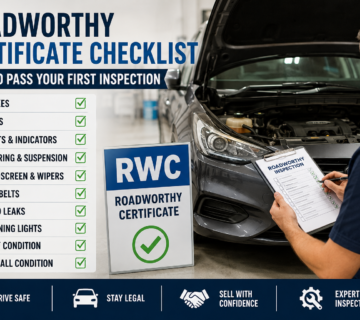
Can I pass a Roadworthy Certificate inspection with dashboard warning lights showing?
Warning lights associated with safety related vehicle systems can indicate faults that need attention. The outcome of a Victorian roadworthy inspection depends on the vehicle’s condition and applicable inspection requirements. If you’re preparing to sell or transfer a vehicle, our Roadworthy Certificate inspections in Reservoir can assess the vehicle against the applicable requirements.
Don’t Ignore What Your Car Is Telling You
Dashboard warning lights exist for a reason. Some provide an early opportunity to fix a minor issue, while others warn of problems that could affect vehicle safety or cause significant mechanical damage.
The safest approach is not to guess.
If a warning light has appeared on your dashboard, Automotive Instincts can inspect your vehicle, diagnose the cause and explain what needs attention.
Book a vehicle inspection with Automotive Instincts in Reservoir.
📍 Reservoir, VIC
📞 03 9478 8733


No comment